
How Art and Drawing Boost Memory and Cognitive Skills in Growing Minds Art and drawing do far more than entertain children. They actively strengthen memory, focus, and cognitive abilities. How art and drawing boost memory and cognitive skills has been explored in numerous studies, and the results are clear: these creative activities engage the brain in unique ways that words or passive learning alone cannot match. Drawing Makes Memories Stronger When children draw what they’ve learned, they engage multiple brain regions at once like visual, motor, and verbal. This multi-sensory approach creates richer, more durable memory traces. How art and drawing boost memory and cognitive skills For example, asking a child to sketch a story or science lesson turns abstract information into vivid, personal memories that last longer. Improves Focus and Attention Drawing demands sustained attention to detail .Choosing colours, shaping lines, and planning the composition. This gentle practice trains the brain’s attention networks, helping children concentrate for longer periods and resist distractions. Regular art activities build: Benefits Across All Ages How art and drawing boost memory and cognitive skills isn’t limited to young children. The advantages span every stage of life: Unlocking Long-Term Cognitive Growth Drawing doesn’t just aid short-term recall,it helps transfer information to long-term memory. By combining movement, visualisation, and emotion, art creates deeper, more accessible memory pathways. Additional gifts of regular drawing Simple Ways to Bring Drawing into Daily Life Encouraging art at home and school gives children (and adults!) a joyful, powerful tool for sharper memory, stronger focus, and lifelong cognitive health. Embrace the power of creativity today,one drawing at a time.Disclaimer: The information in this article is for educational purposes only and is not a substitute for professional medical, psychological, or developmental advice. Consult a qualified professional for personalised guidance.

Colour Stories: How Children Share Their Inner World Through Shapes and Colours
Colour Stories: How Children Share Their Inner World Through Shapes and Colours Children often feel big emotions long before they have the words to describe them. Drawing, painting, and creating give them a safe, natural way to communicate what’s inside. This is why how children express emotions through art is so powerful. It opens a gentle window into their inner world for parents, teachers, and care givers. Why Art Feels Safe for Little Hearts Art has no rules, no “right” answers, and no fear of mistakes. A blank page simply invites honesty.Children pour their feelings onto paper without pressure to perform or explain. This freedom builds trust in the process, in themselves, and in the adults who witness it without judgement. Understanding how children express emotions through art helps us notice subtle shifts early. A sudden change in colours or shapes can signal joy, worry, or excitement. Art captures feelings in the moment, not as permanent labels.When children feel accepted, they create more openly. Their drawings reflect emotions, not perfection. Colours and Shapes: A Child’s Secret Language Colours often mirror mood and energy: Shapes carry meaning too: Over time, with regular creative play, patterns emerge. These gentle clues help adults understand emotional changes without words. How Art Builds Emotional Strength Mindful art supports children’s growth in quiet, lasting ways: Simple habits make a big difference: Children feel truly valued when adults honour their creative voice. How Adults Can Gently Support You don’t need to interpret every drawing. Listening ,really listening ,matters most.Avoid questions like “What is it?” (which can feel judging). Instead, try: Simple ways to encourage By noticing how children express emotions through art, adults learn to listen with open hearts. A Bridge Between Feelings and Connection Children speak through colours and shapes before words. Art gives emotions a place to land softly.When we meet them there ,with curiosity and kindness ,we build deeper trust, stronger bonds, and brighter inner worlds. Disclaimer: The information in this article is for educational purposes only and is not a substitute for professional medical, psychological, or developmental advice. Consult a qualified professional for personalised guidance.
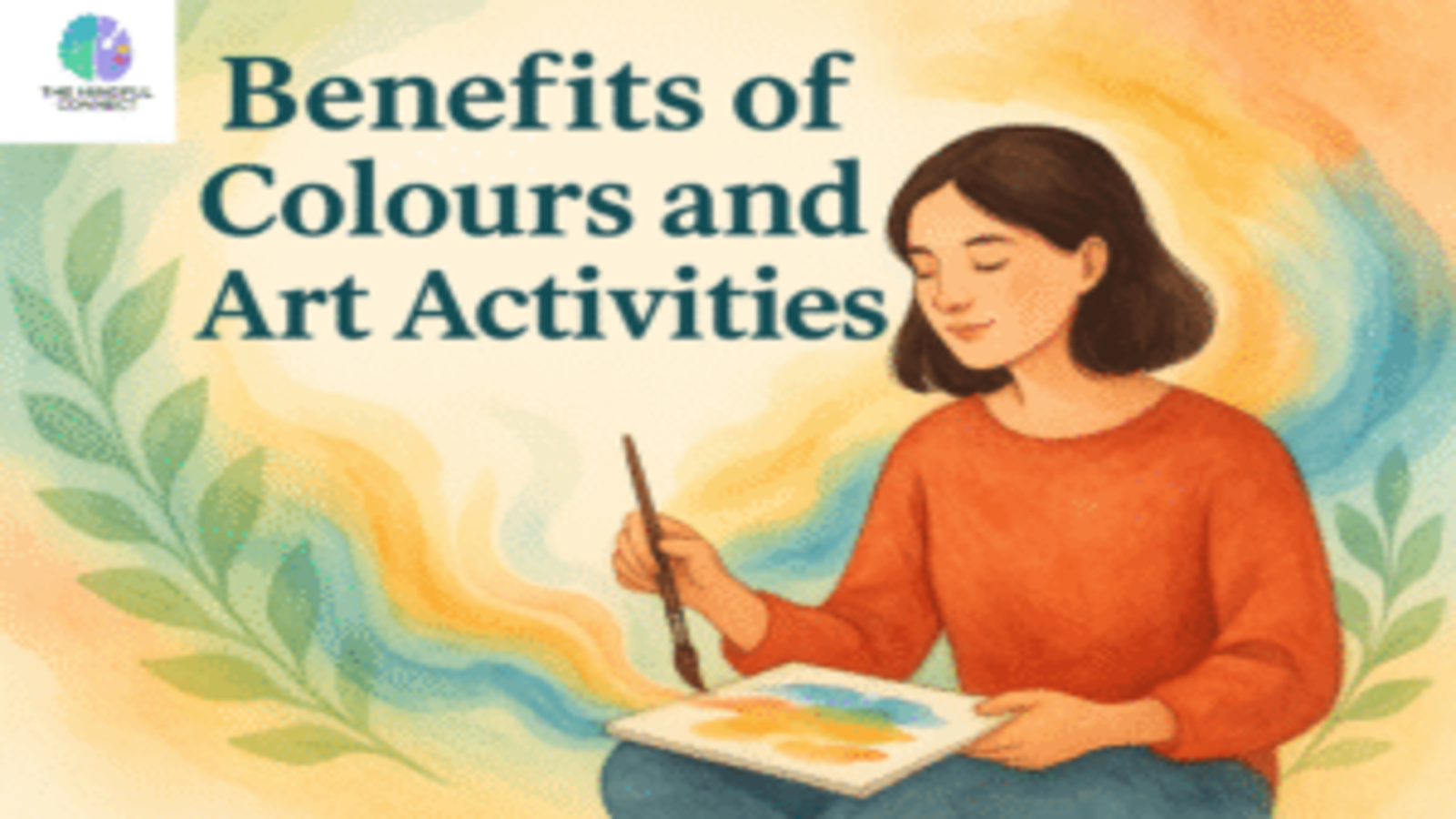
Benefits of Colours and Art Activities at The Mindful Connect
Benefits of Colours and Art Activities at The Mindful Connect In a world full of deadlines, screens, and daily stress, many people are turning to creative practices for peace of mind. One of the simplest and most effective tools? Colour. At The Mindful Connect, we believe in the quiet, healing strength of creativity. You don’t have to be an artist to enjoy the benefits of colours and art activities, you only need to show up and be present. This blog explores how colour-based creative sessions support mental and emotional well-being for everyone, from kids to seniors. Benefits of Colours and Art Activities for Adults Adults often find themselves overwhelmed by constant pressure. Painting, colouring, or even gently blending hues helps shift the mind from busy thoughts to a state of calm. Engaging in mindful creativity offers a way to slow down without judgment or performance. Key benefits of colours and art activities for adults include: These simple acts of creativity help adults reconnect with their inner peace. Benefits of Colours and Art Activities for Pregnant Women Pregnancy brings both beauty and emotional intensity. Engaging in gentle, colour-based art can be a powerful way to reduce anxiety and feel grounded during this life-changing time. Through mindful art, mothers-to-be can create space to bond with their baby and themselves. Core benefits of colours and art activities during pregnancy: No artistic experience is needed, just openness to the moment. Benefits of Colours and Art Activities for Students Academic pressure, social stress, and overexposure to screens can create emotional fatigue in students. Creative expression through colour allows them to decompress, improve focus, and explore emotions they may not easily verbalize. Key benefits of colours and art activities for students include: Regular creative breaks can help students feel balanced and confident. Benefits of Colours and Art Activities for Kids Children are naturally drawn to colours. Allowing them to express themselves freely with paints or crayons can help them develop emotional intelligence and self-regulation. Calming art for kids also supports healthy brain development. Benefits of colours and art activities for children: Encouraging unstructured creative time helps children grow both mentally and emotionally. Benefits of Colours and Art Activities for Aged People Older adults often face isolation, memory loss, or reduced mobility. Creative colour-focused activities provide a gentle and joyful way to stay mentally engaged, emotionally supported, and socially connected. Benefits of colours and art activities for seniors include: Stimulates memory and focus Reduces feelings of loneliness Encourages gentle movement and coordination Supports a sense of purpose and identity Even light painting or colouring can have a powerful impact on emotional well-being for the elderly. Across all life stages, the benefits of colours and art activities are universal. They offer relaxation, reflection, and reconnection in a way that doesn’t rely on skill, only willingness. At The Mindful Connect we use art not as a technique to master, but as a path towards peace. Through mindful colour and simple creative acts, people of every age can find stillness in the present moment. Let colour guide you back to yourself gently, beautifully, and without pressure. Disclaimer: The information in this article is for educational purposes only and is not a substitute for professional medical, psychological, or developmental advice. Consult a qualified professional for personalised guidance.
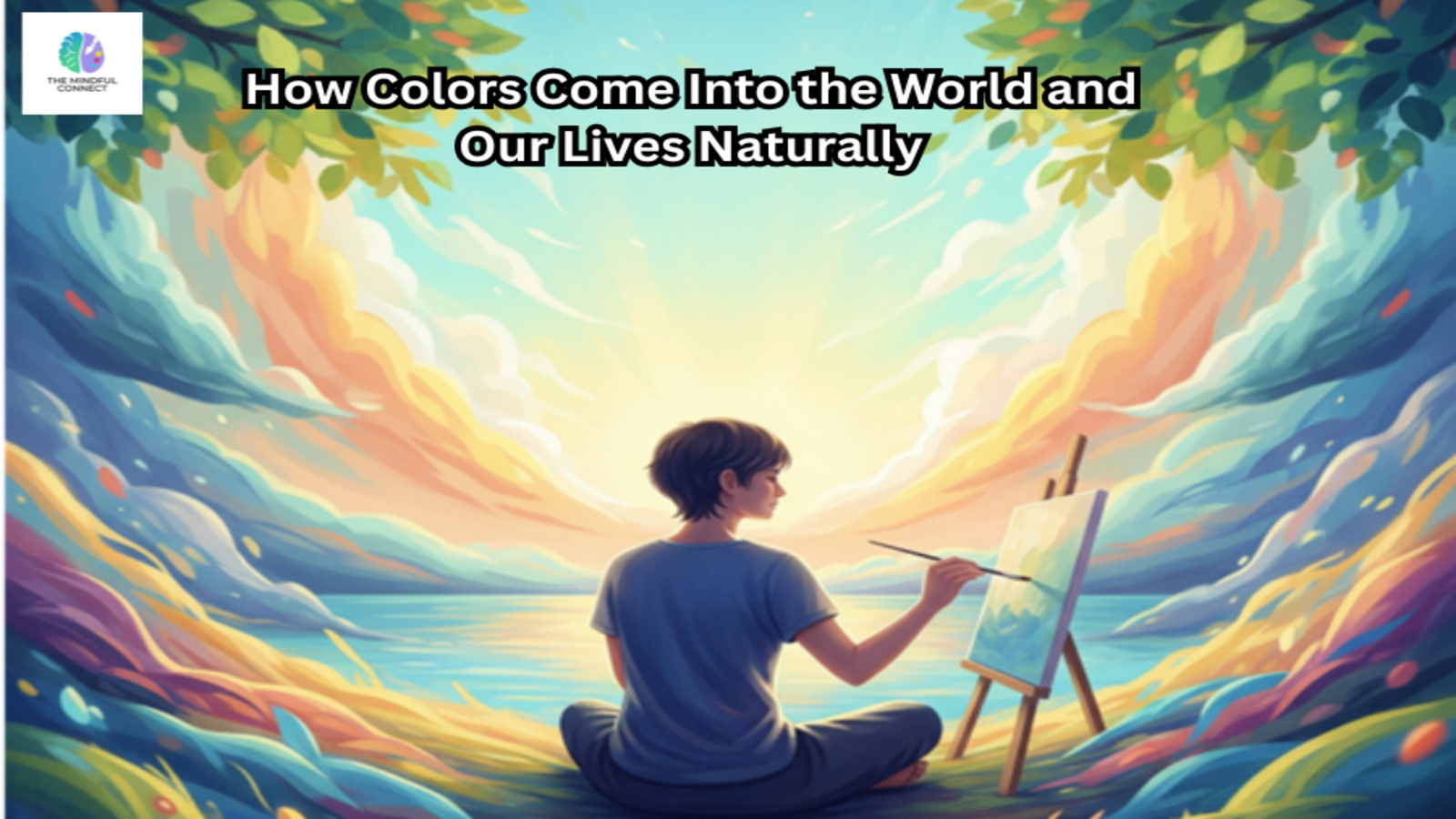
How Colors Come Into the World and Our Lives Naturally
How Colors Come Into the World and Our Lives Naturally Color is one of the most intuitive and emotional aspects of human experience. Long before we learned to paint or draw, colors came into the world through nature sunsets, oceans, forests, flowers and began to shape our feelings and perceptions. At MindfulConnect, we don’t teach art as a skill. Instead, we use mindful art with colors to offer a sense of peace, clarity, and emotional refreshment. But have you ever wondered how colors came into the world and became part of our emotional lives? The Birth of Color in Nature From the earliest days of Earth, color has existed as an organic language. The golden hues of sunlight, the deep green of forests, and the blues of the ocean were the first visuals humans ever experienced. These natural colors in life were never just decorative. In nature, color signals safety, warning, change, or attraction. Flowers bloom in bright hues to attract bees; animals camouflage to survive; the sky shifts colors to signal time and mood. These colors, absorbed over generations, now speak directly to our nervous systems. That’s why simply walking in nature or gazing at a blue sky can calm us, we are deeply connected to the origins of color. Emotional Benefits of Color Colors aren’t just visual, they’re emotional triggers. Cool tones like blue and green calm us, while red and orange stimulate action. This is not based on trends but on instinct. Color and relaxation go hand-in-hand. Even children instinctively pick bright, happy colors to express joy. In mindful art activities, the act of choosing and playing with color becomes a form of emotional release. Whether you’re filling in a mandala with colored pencils or blending watercolors freely, you’re not just being creative, you’re engaging in healing through color. Why You Don’t Need to Be an Artist You don’t need to “know art” to benefit from it. You only need to trust your response to color. At MindfulConnect, we guide people in using art as a wellness tool, not a talent test. The process matters more than the result. A session using nature-inspired creativity might involve simple brushstrokes, color dabbing, or collage each using natural colors in life as inspiration. It’s less about what you’re making, and more about how it makes you feel. This makes color-based art one of the most accessible forms of relaxation. The Healing Nature of Natural Colors By simply engaging with these tones through art, you give your mind and body space to slow down and reconnect through color. Reclaiming Presence Through Color In a world dominated by digital screens and artificial light, natural color experiences are increasingly rare. At MindfulConnect, our creative sessions are designed to bring you back to nature’s rhythm. Whether it’s painting with earthy hues or creating something inspired by the seasons, these activities invite calm. Because how colors come into the world from nature into your life, isn’t just a science story. It’s a human experience. A journey from the outside world into your emotional core. How colors come into the world and our lives naturally is more than just a title, it’s the foundation of mindful art. At MindfulConnect, color becomes a quiet teacher. It doesn’t ask you to be perfect. It asks you to be present. Through simple, soothing color-based activities, you can release tension, gain clarity, and reconnect to your inner self without ever needing to “know how to paint.” Let the colors come in. Let them guide you back to balance. Disclaimer: The information in this article is for educational purposes only and is not a substitute for professional medical, psychological, or developmental advice. Consult a qualified professional for personalised guidance.